
What Is a UPS? Everything You Need to Know About Uninterruptible Power Supply
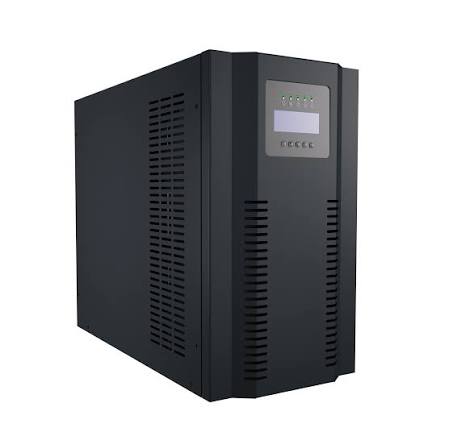
UPS (Uninterruptible Power Supply) is a device designed to provide backup power to electronic equipment when the main electrical supply fails.
A UPS can protect connected devices against power outages, voltage fluctuations, surges and other electrical disturbances.
UPS systems are commonly used with computers, servers, security cameras, network equipment, automation systems and other critical electronic devices.
What Does a UPS Do?
The primary purpose of a UPS is to keep connected equipment running when the main power supply is interrupted.
A UPS can:
Provide backup power during outages
Protect equipment from voltage fluctuations
Reduce the risk of damage caused by power surges
Give computers and servers enough time to shut down safely
Keep security cameras operating during power failures
Support network and communication equipment
Help prevent data loss caused by unexpected shutdowns
How Does a UPS Work?
Under normal conditions, the UPS receives electricity from the main power grid and charges its internal batteries.
When a power outage occurs, the UPS uses the stored battery energy and converts it into AC power through an inverter.
The basic operating principle is:
Utility Power → UPS → Equipment
During a power outage:
Battery → Inverter → Equipment
The transfer time depends on the type of UPS being used.
Types of UPS Systems
There are three main types of UPS systems.
1. Offline UPS
Offline UPS systems are the simplest type. Under normal conditions, connected equipment receives power directly from the electrical grid.
When the power fails, the battery system is activated.
They are commonly used for home computers, modems and basic electronic equipment.
2. Line-Interactive UPS
Line-interactive UPS systems provide better voltage regulation than basic offline models.
They can correct certain voltage fluctuations without switching to battery power.
They are suitable for computers, network equipment, security systems and small businesses.
3. Online UPS
Online UPS systems provide the highest level of power protection.
They continuously process the incoming electrical power, providing a more stable output to connected equipment.
They are commonly used for:
Servers
Data centers
Telecommunications systems
Industrial automation
Medical equipment
Critical security systems
How Do You Choose the Right UPS?
Choosing a UPS requires more than simply looking at its VA rating.
You should consider:
Total power consumption
UPS VA capacity
UPS Watt capacity
Battery capacity
Required backup time
Type of equipment being protected
For example, a system may include a computer, monitor, network switch, modem, camera system and recording device.
The total power consumption of all these devices should be calculated before selecting a UPS.
VA vs. Watt
UPS systems are commonly rated in VA (Volt-Amperes).
However, the Watt capacity is also important when determining the actual load that the UPS can support.
For example:
2000 VA / 1800 W
means the UPS has a maximum active power capacity of 1800 Watts.
How Long Can a UPS Run?
The runtime of a UPS depends on several factors, including:
Battery capacity
Connected load
Battery age
UPS efficiency
Operating temperature
Number of batteries
A low-power modem may operate for a long time on a UPS, while a high-power server or computer may have a much shorter runtime.
Therefore, there is no universal answer to questions such as "How many hours can a 1000 VA UPS run?" The runtime must be calculated based on the actual load and battery capacity.
Where Are UPS Systems Used?
UPS systems are used in many different environments.
Homes
Computers
Modems
NAS systems
Security cameras
Alarm systems
Businesses
Computers
Servers
Network switches
Security systems
POS systems
Telephone systems
Industrial Applications
PLC systems
Automation equipment
Control panels
Industrial computers
Communication systems
Security Systems
UPS systems are particularly useful for security infrastructure. During a power outage, a UPS can keep cameras, switches, recording systems and network equipment operating, helping maintain security monitoring.
When Should a UPS Battery Be Replaced?
UPS batteries gradually lose their capacity over time.
Battery life depends on factors such as temperature, charge/discharge cycles, operating conditions and battery quality.
If the UPS runtime becomes significantly shorter, the system shuts down quickly during outages, or battery warnings appear, the batteries should be inspected and potentially replaced.
Conclusion
A UPS is more than just a backup power device. It is an important part of a reliable power protection system.
Choosing the right UPS requires evaluating total power consumption, VA/Watt capacity, battery capacity and required backup time.
For critical systems such as servers, security cameras, network infrastructure and industrial automation, a properly selected UPS can significantly reduce the risk of downtime, equipment damage and data loss.